
The Global Centre on Healthcare and Urbanisation (GCHU) at Kellogg College seeks to make urban centres environmentally, economically, and socially sustainable, and to provide an environment that supports and sustains health and wellbeing.
Our interdisciplinary approach embraces sustainable urban development and evidence-based healthcare to undertake research, education and foster collaboration in these disciplines.
Latest news
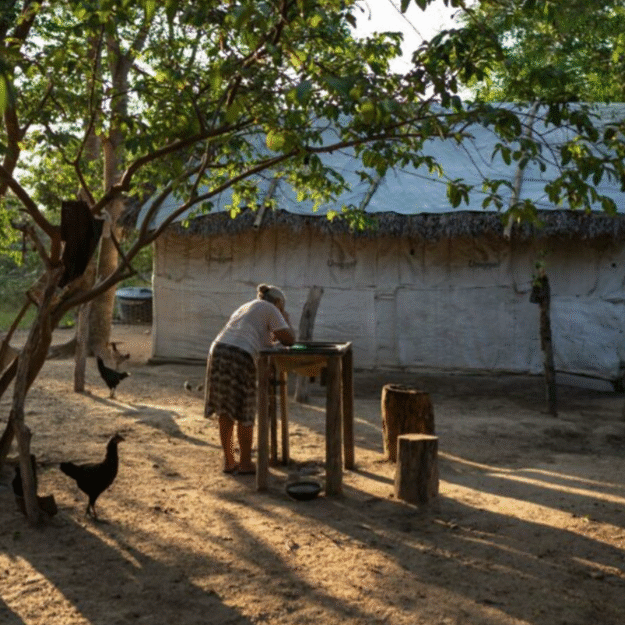
Read our latest blog
“Urbanisation Without Cities? Hydraulic Infrastructure and the Ecologies of Vulnerability in the Amazon.” This blog by GCHU visiting global research associate, Fábio Zuker, argues that the hydraulic infrastructures built to sustain industrial agriculture on Bananal Island in Brazil constitute a distinct form of infrastructural urbanisation: reshaping Indigenous territories through transformations in hydrology, food dependency, and disease ecologies such as increased presence of mosquito-borne diseases.


Read our recent blog
A recent blog by GCHU intern, Moli Birkinshaw on “The Imaginary People who will Fix Britain’s Buildings? argues that Britain’s ambitious plans to retrofit millions of buildings face a major obstacle: there are not enough skilled workers with the right expertise to carry out the work properly. It calls for long-term investment in training, better industry standards, and greater support for traditional building skills. Overall, the blog argues that Britain needs to develop both a skilled workforce and a strong, reliable retrofit market to meet its building and climate goals.
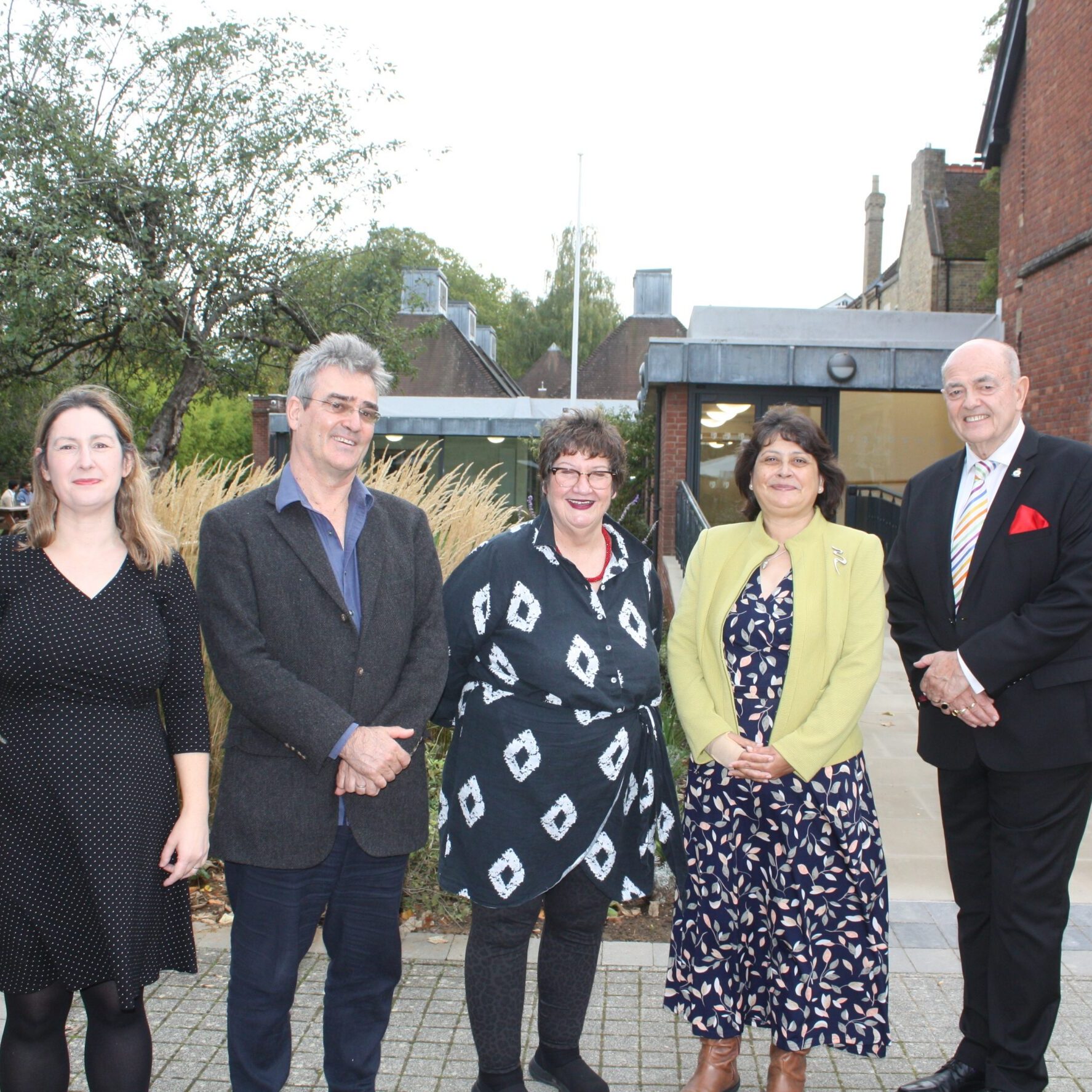
GCHU Public Seminar, 14th October- Video available
Our first public seminar of the 2026/27 series was held on October 14th on the topic " How can communities respond to emergencies?" This seminar brought speakers together from the public, private and third sectors in order to explore their experiences of how communities in the UK and internationally have responded to emergencies – whether caused by the environment, infectious disease, conflicts, terrorism, accidents or negligence, for example.
Speakers: Jeannie Barr, Richard Blewitt, Carol MacKay, Tony Thompson
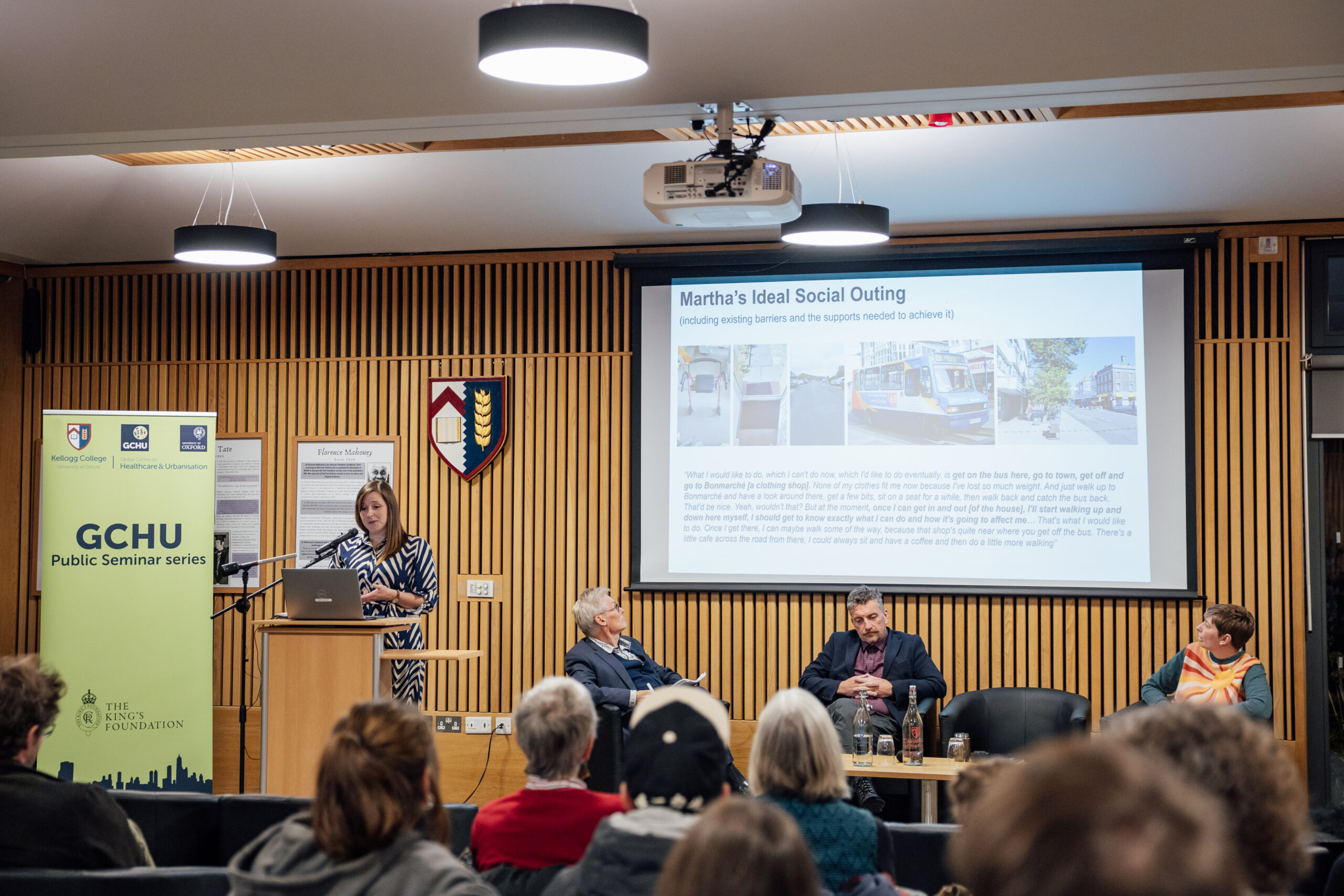
GCHU Public Seminars
The Centre hosts a series of seminars – open to the public – throughout the year. These lively discussions bring together a panel of speakers to address contemporary, and often controversial, issues in healthcare and urbanisation.