
Enhancing Neighbourhood Environments for Older Adult Social Connectedness (ENOLA)

ENOLA is a research project exploring how neighbourhood environments shape opportunities for social connection in later life.

Led by Dr Hannah Grove at the Global Centre on Healthcare & Urbanisation (GCHU), and funded by the Royal Town Planning Institute (RTPI) Early Career Research Grant, the project is delivered in partnership with Re-engage, a national charity that works to reduce loneliness among people aged 75 and over through social activities, volunteer support and community-based programmes.

Project Team

  • Hannah Grove | Research Fellow, GCHU
  • Georgina Everett |Research and Impact Lead, Re-engage
  • Jess Doyle | Head of Policy, Research & Consultancy, Re-engage

Why is this important?

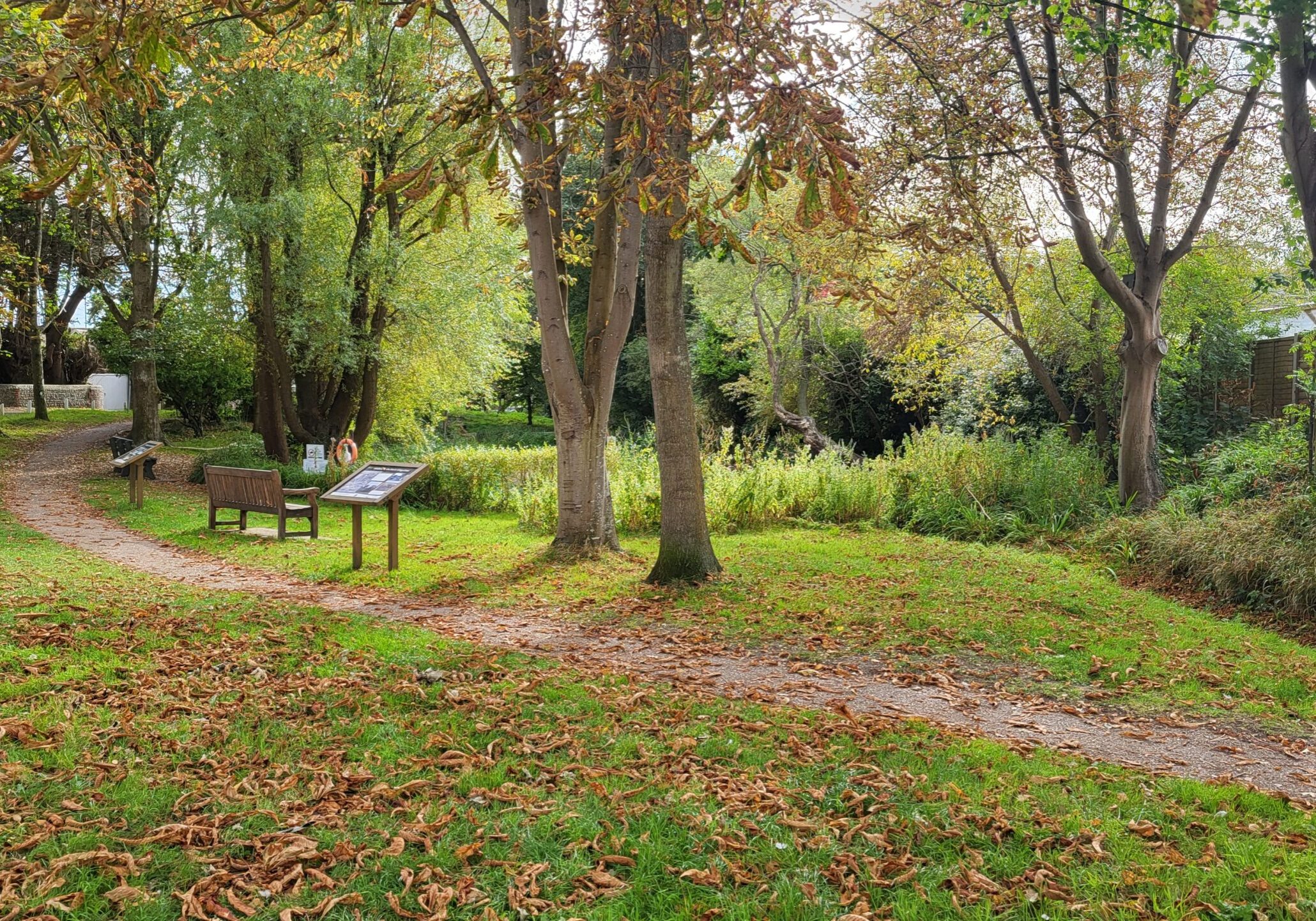
As more people age in place, the ability to remain socially connected is increasingly shaped by the design and experience of local environments. Everyday elements - such as transport, walkability, access to services, and opportunities to meet others - can influence whether people are able to maintain social relationships and participate in community life.

While these issues are widely recognised, there remains a need for more grounded, experience-based evidence to inform planning policy, particularly reflecting the perspectives of older people who may be less visible in formal engagement processes.

The ENOLA project responds to this by focusing on how neighbourhoods are lived and navigated, and how this shapes social connection in practice.
What does the research explore?

The project investigates:

  • How older people experience their day-to-day social worlds
  • The relationship between neighbourhood environments and social participation
  • The gap between current experiences and preferred ways of living
  • What types of environmental changes could better support social connection

A key aim is to generate insights that can inform more inclusive, person-centred planning approaches.

Approach and methods

Working with Re-engage and older participants aged 75+, the project has used a combination of:

  • In-depth qualitative interviews
  • “Go-along” neighbourhood-based conversations
  • Participatory mapping
  • Creative activities including photo collages

These approaches help to capture the lived and often intangible dimensions of place, complementing more traditional forms of planning evidence.

003235-76 b

GCHU Public Seminar

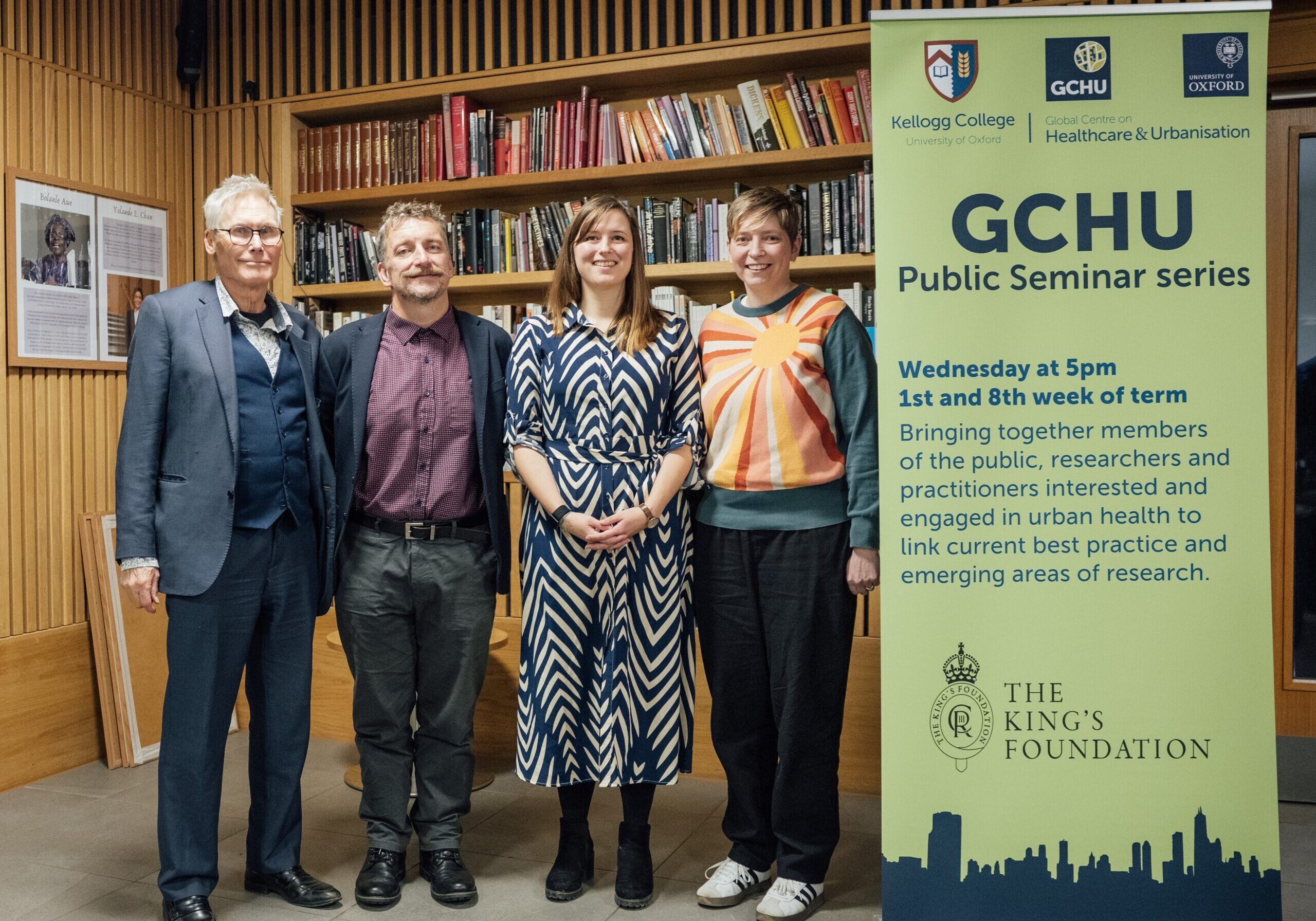
A GCHU Public seminar was held on 3rd December 2025 which explored how neighbourhood design influences loneliness across all ages. From streets and transport to public spaces and local meeting spots, the built environment can help people come together or leave them feeling cut off.
ENOLA website

RTPI blog

As part of the project’s dissemination, a blog post has been published on the Royal Town Planning Institute (RTPI) website.

The blog introduces the project to a planning and policy audience, shares some project updates, and uses a real-life example to illustrate how everyday neighbourhood conditions shape opportunities for social connection, and explores why this matters in practice.