
Research Associates
Dr Alison Chisholm

Research Associate (GCHU) and Research Member of the Common Room (Kellogg College)
Qualitative Researcher at the Nuffield Department of Primary Care Health Sciences, University of Oxford
MA, MSc, PhD
Alison's research interests lie in the potential of democratic innovations to contribute to more trusted and effective policy in challenging areas such as the climate emergency and health inequalities, and to improve social cohesion. Her British Academy Innovation Fellowship, Citizens’ Voices Making Change, explored ways to increase the impact and legacy of citizens’ assemblies. Citizens’ assemblies and citizens’ juries are forms of deliberative democracy that bring together a group of people selected by civic lottery to exchange information and ideas through inclusive, respectful conversations, then agree on ways forward. Prior to that she worked with colleagues from the GCHU to organise and deliver Street Voice, a citizens’ jury to find common ground on solutions to the impact of travel on health and climate change.
Alison was also part of the team that carried out the Listening Exchanges project that piloted an innovative method to address community polarisation. They brought together two people with clearly divergent views to listen carefully to each other, reflect back a summary of what they had heard, and share their own lived experience with a view to challenging stereotypes and supporting social cohesion.
Alison is currently working on an evaluation of the Bridge-Builders scheme with NHS Lothian, which pairs trainee health and social care professionals with patients who need support to access appointments.
Her academic background is in health psychology and health services research. She joined the Nuffield Department of Primary Care Health Sciences in April 2016 to work with Professor Louise Locock on the NIHR-funded US-PEx study which aimed to better understand how NHS frontline staff use different types of patient feedback to improve health services and develop tools to help them make better use of this data. She recently worked with Dr Lisa Hinton and Professor Richard McManus on the BuMP trial, a large randomised controlled trial to determine whether self-monitoring of blood pressure can help earlier detection of hypertension and pre-eclampsia.
Emeritus Professor Timothy Dixon
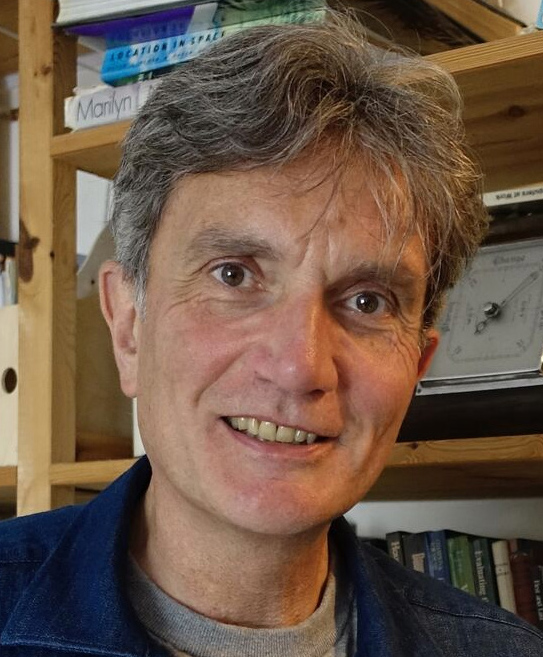
Research Associate (GCHU) and Visiting Fellow (Kellogg College)
Emeritus Professor (University of Reading)
PhD, BA (Hons), Dip.Dist.Ed., FHEA, FRICS
Tim’s research and writing over his academic career has primarily focused on 'sustainable built environments'. He has a particular interest in city scale issues and city foresight (or 'urban futures') in the context of climate change. His work in this area has led to collaborations with cities and local authorities seeking to develop long-term visions and strategies. He has also worked on research which has focused on social sustainability assessment for house builders and on urban regeneration. He co-led the Reading 2050 visioning programme, and ADEPT Live Labs Project and was also co-chair of the Reading Climate Change Partnership. He is a trustee at the Howe Trust. His book on Urban Futures won the Urban Affairs Association best book prize in 2022.
His previous work has focused on the interface between the sustainability agenda and its impact on construction and property/real estate development. The research is based on a strong interdisciplinary approach which incorporates policy and practice impacts and futures thinking. More specifically this research has included:
- Futures and foresight studies, including the impact of ICT on commercial property and real estate markets, post-pandemic futures and city visioning.
- Smart, healthy and sustainable cities and big data.
- Climate change, health and the built environment.
- Sustainable real estate: investment, development, and occupation.
- Sustainable urban regeneration and brownfield issues.
- Social sustainability and social value.
- The role of private sector investment and development in urban regeneration.
Tim’s personal website is at: https://www.timothyjdixon.com/
Dr Katherine Maxwell
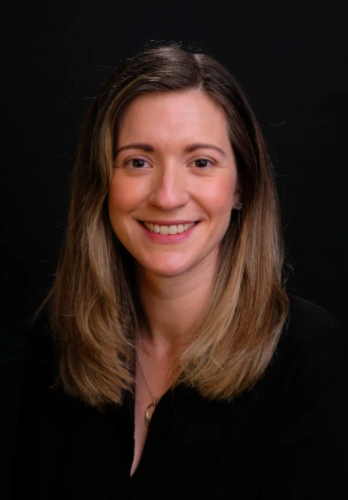
Research Associate (GCHU) and Visiting Fellow (Kellogg College)
Sweco UK, Technical Director of Net Zero
PhD, MSc, BSc
Dr Katherine Maxwell is currently a Research Associate at the GCHU and a Visiting Fellow at Kellogg College, University of Oxford. She is currently Technical Director of Net Zero at Sweco UK. Katherine has over a decade of experience working with municipalities and organisations on their ambitious decarbonisation and resilience strategies. Her research interests include sustainable urban development, urban governance, city leadership, resilience planning and climate finance within cities. She has worked with WSP, C40 Cities Climate Leadership Group, LSE, The University of Edinburgh and the Scottish Government.
Visiting Research Associates
Dr Avar Almukhtar
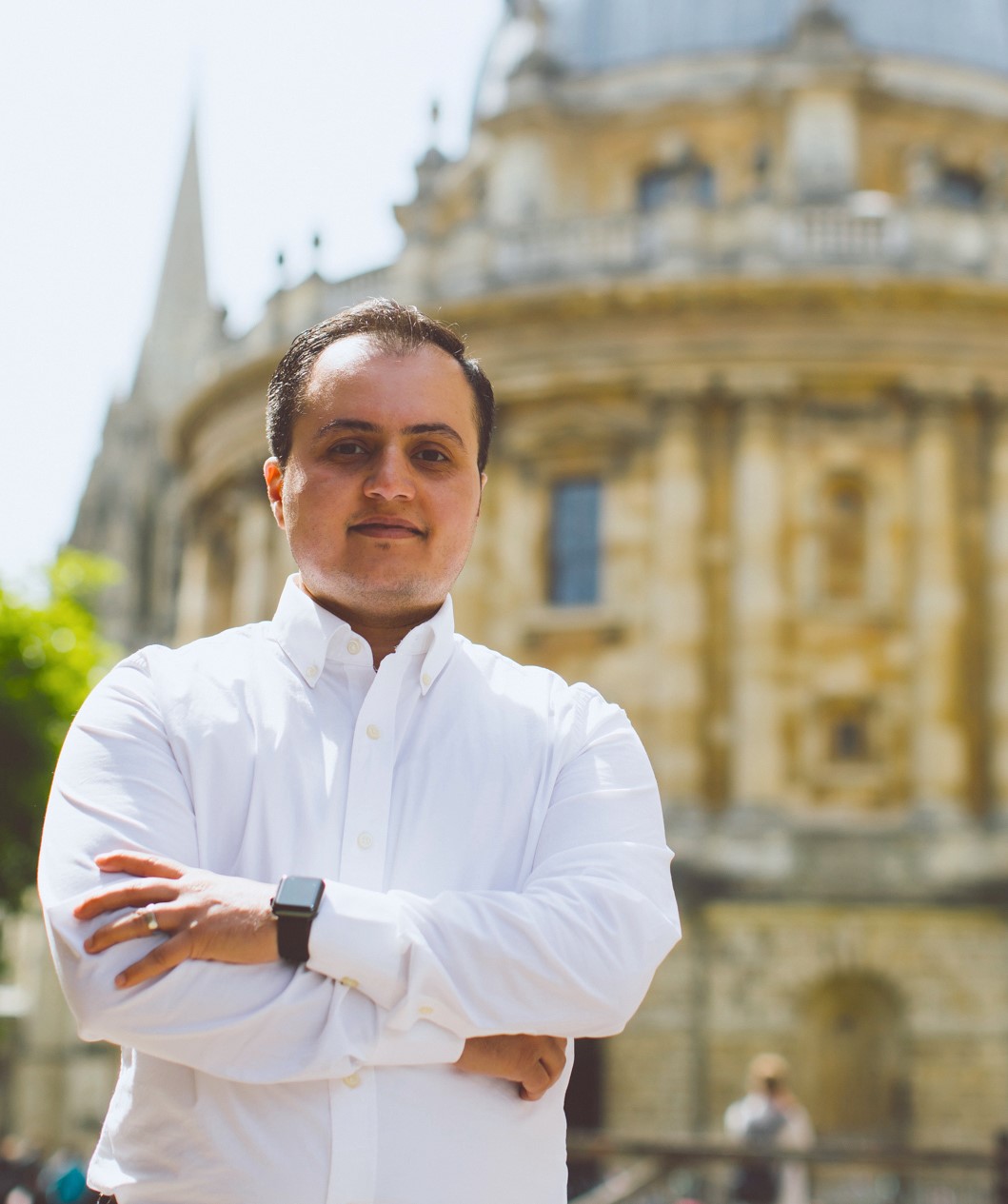
Visiting Research Associate (GCHU)
Senior Lecturer at School of the Built Environment, Oxford Brookes University
BSc. ArchEng. MA UD, PhD, PGCert, FHEA
Dr. Almukhtar (BSc. ArchEng. MA UD PGCert FHEA) is a Senior Lecturer at the School of the Built Environment at Oxford Brookes University, with a background in Architectural Engineering and Urban Design. His research primarily explores the application of Augmented Reality (AR) and Virtual Reality (VR) technologies in the co-design and co-creation of sustainable urban environments that can also promote health and wellbeing. Recent research awards include the Co-creation of Inclusive Green Public Spaces using Augmented Reality (British Council); Restorative Urban Green Space: An Alternative Therapy for Mental Health through AR-supported co-design (OBU); AR and VR Enabled Co-creation of Intergenerational Play Areas (OBU); and AR and VR-supported Urban Living Lab for the 15-minute city concept, ENACT 15mC, involving collaborations with Norway, Spain, and Poland (ESRC-EU). Dr. Almukhtar also completed an EU H2020-funded research secondment in Paris, investigating the concept of the 15-minute city. He has presented his work internationally at conferences hosted by institutions such as UCL London, Harvard School of Design (USA), Delft (Netherlands), Barcelona (Spain), L’Aquila (Italy), Tunisia, and Brazil.
GREAT project in collaboration with the GCHU
Dr. Almukhtar is leading the GREen spaces and Active Travel for Enhanced Urban Mobility (GREAT) project in collaboration with the GCHU which examines the relationship between proximity to green spaces and active travel choices and mobility in urban settings. This research explores how the accessibility of green areas such as parks, tree-lined streets, and public squares affects residents' travel decisions. A distinctive aspect of the project is its integration of Augmented Reality (AR), which provides interactive visualisations of urban design interventions proposed based on participants' input. AR technology is employed to demonstrate how improvements to green spaces, informed by the residents’ engagement, can influence active travel behaviours, thereby enhancing community involvement, encouraging informed decision-making, and supporting healthier, more sustainable urban mobility practices.
Visiting Global Research Associates 2024-2025
Dr Liu Huiming

Visiting Global Research Associate (GCHU)
Assistant Professor, Macau University of Science and Technology, Macau
BA, MA, PhD
Dr Liu Huiming is an accomplished academic and professional in the fields of urban design, environmental design, environmental psychology, urban planning, and architectural design. He currently serves as an Assistant Professor and PhD Supervisor at Macau University of Science and Technology (MUST) in Macau, and Visiting Research Associate at Global Centre for Healthcare and Urbanisation (GCHU), Kellogg College, University of Oxford in the UK. Prior to his current position, Dr. Liu worked at Beijing University of Technology and the Laboratory for Future City at Peking University. He obtained his PhD and Master’s degree in Urban Design from Oxford Brookes University under the supervision of Georgia Butina Watson, focusing on locally responsive public space design, with a special reference to Beijing, China.
Dr Huiming’s research relates to public health, psychologies and behaviours in urban built environment across various spatial scales contributes to economic, social and cultural sustainability. He leads four research groups with the following focuses:
- The impacts of temporary events on sensory experiences, emotions, well-being, and mental health.
- The influence of the built environment on university students’ and graduates’ mental health.
- Mental health among older adults at the neighborhood scale from a migration perspective.
- Walking environments and mental health in high-density city from a sustainable tourism perspective.
Dr. Huiming has published dozens of high-quality, peer-reviewed articles and has served as the Principal Investigator for following research projects:
- Transitions of Living Patterns and Transforming Socio-commercial uses in Residential Building through Impacts of Covid-19 (Funded by Macau University of Science and Technology Faculty Research Grant)
- Research Project of Urban Design Guidance in the Central Urban Area of Suide City (Funded by Suide Bureau of Natural Resources and Planning)
Further information can be found at ResearchGate
Dr Mawuli Kushitor

Visiting Global Research Associate (GCHU)
Senior Lecturer, University of Health and Allied Science, Accra, Ghana
BA, MA, PhD
Dr Mawuli Kushitor is a population scientist interested in population health and health systems—specifically, the burden and management of Non-Communicable Diseases (NCDs) in African urban cities. He is intrigued by the intricate relationship between the built environment and Cardiovascular Disease (CVD) risk among the urban poor. Key aspects of his research have led to critical community-level interventions for hypertension and diabetes in Accra. During his PhD, Dr Mawuli examined the complex interaction between people living with hypertension and Africa’s plural health systems using various methods, including GIS, component-based quantitative analysis and social network analysis.
Dr Kushitor has been fascinated by the idea that heat stress and hazardous noise may mediate the relationship between the built environment and the risk of hypertension. He has participated in and coordinated large-scale, longitudinal, mixed-method cardiovascular population health projects. He is an amateur drone pilot who likes to fly over the natural environment and use these images to create maps. Being a cartophile, maps have been central to the methods he apply in his research.
Dr Kushitor has mentored over 60 undergraduate and graduate students in the last 5 years as a lecturer at the Fred. N. Binka School of Public Health (FNBSPH), University of Health and Allied Sciences (UHAS), Ho, Ghana. He is proud of carrying his students along and share experiences with them to support the next generation of African urban health scholars through mentorship. He aims to become a leading global researcher on urban health in Africa and globally.
Dr Tashanna Walker

Visting Global Research Associate (GCHU)
Visiting Scholar, University of Pennsylvania, USA
BSc, MA, PhD
Dr. Walker completed her doctoral studies in May 2024 at Rutgers University, New Brunswick, under the supervision of Dr. Kevon Rhiney. Her dissertation examined the complex interplay of militarization, redevelopment, and state power in Kingston, Jamaica. Her ongoing research agenda is informed by the lived experiences of marginalized groups, Black geographical thought, and decolonial qualitative research methodologies. Dr. Walker’s research has been supported by numerous fellowships and institutions, including the Social Science Research Council and the American Association of University Women. Her work has yielded manuscripts that are in review at Geoforum and Urban Studies and her research has contributed to national legislative reform in Jamaica. Furthermore, her research has garnered significant public engagement, having been featured in Jamaican media and shaping security policy discourse.
Currently, Dr. Walker holds appointments as a Visiting Scholar at the University of Pennsylvania and a Visiting Research Scholar at the University of Amsterdam. She concurrently serves as an Adjunct Lecturer at the State University of New York, Old Westbury, as well as a consultant for the Philadelphia Education Fund and The Rutgers Law School Center for Law, Inequality and Metropolitan Equity. She is also a sitting board member of the AAG-Caribbean Geographies Specialty Group. Her previous academic service includes membership in the Rutgers Graduate Geographers Project, presidency of the University of the West Indies Geographical Society, and tenure on the council of the Jamaica Geographical Society.
Beyond academia, Dr. Walker has worked extensively at the intersection of scholarship, public policy, and civic engagement. She has collaborated with a range of stakeholders, including community groups, government agencies, and international development organizations, to bridge the gap between academic research and actionable policy. Among her notable partnerships are engagements with USAID, PAHO, UNESCO, the Joy Town Development Foundation, and the Agency for Inner-City Renewal. Moreover, her commitment to social justice and educational accessibility has led her to establish and co-lead several outreach initiatives. Some of these include the Philadelphia High School STEM Diversity Initiative (2023), the Trench Town Youth Empowerment Group in Jamaica (2021), and the Emerging Scholars Scholarship and Bursary Program (2024).
Visiting Global Research Associates 2025-2026
Dr Karol Carminatti Baumgärtner
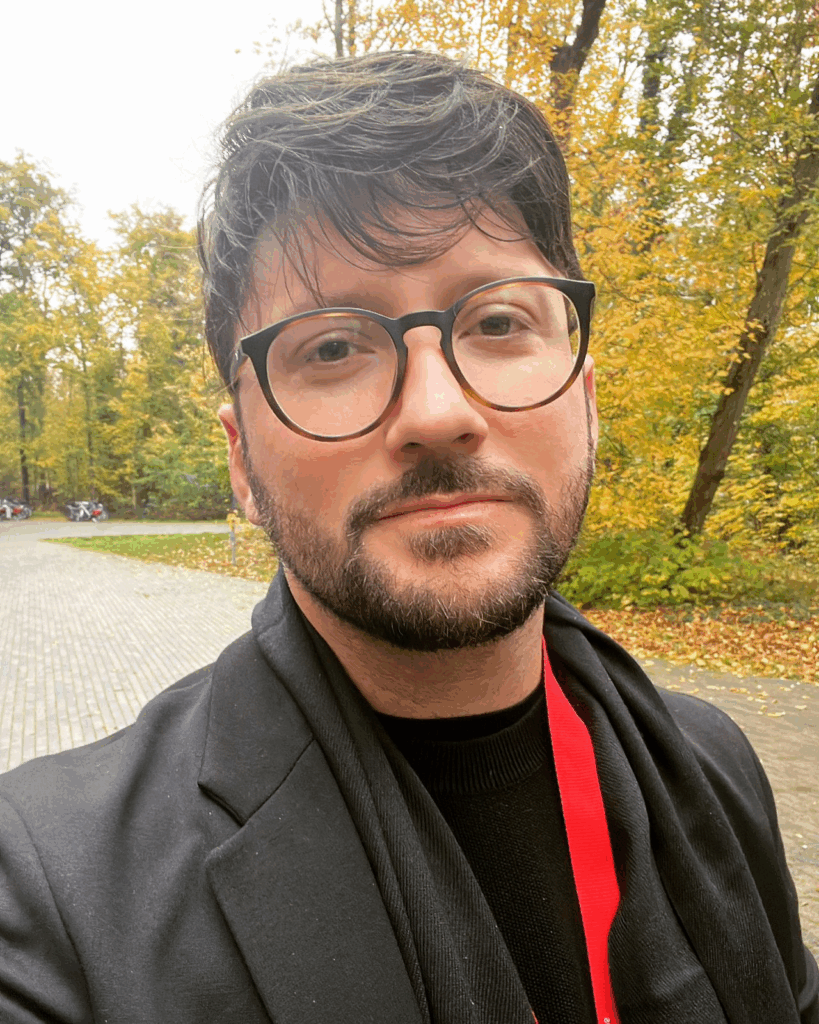
Visiting Global Research Associate (GCHU)
Professor at the University Centre of the Educational Foundation of Brusque (UNIFEBE) and Coordinator of Technical and Scientific Projects at the Institute of the Regional University of Blumenau (FURB), Brazil
B.Arch., MSc, PhD
Dr. Karol Carminatti Baumgärtner is an architect and urbanist whose career bridges academic research, public policy, and applied urban consultancy. He holds a PhD and MSc in Architecture and Urbanism from the Federal University of Santa Catarina (UFSC), Brazil, where he investigated the spatial configuration of medium-sized cities and its implications for urban centrality, accessibility, and socio-spatial equity. His current research promotes an integrated understanding of the relationships between urban form, climate, and health, contributing to the development of analytical and governance frameworks for sustainable urban transformation.
Dr. Baumgärtner is currently a professor at the University Centre of the Educational Foundation of Brusque (UNIFEBE), where he teaches urban planning, spatial analysis, and geoprocessing. In addition to teaching, he coordinates technical and scientific projects at the Institute of the Regional University of Blumenau (FURB), focusing on urban mobility, governance, and resilience planning in municipalities across southern Brazil. His practice combines analytical precision with civic engagement, seeking to align scientific research with territorial management through the development of tools and indicators that support evidence-based public decision-making.
His main project, Resilient Urban Ecosystems: Modelling Habitability through Urban Indicators, develops a multi-scalar framework for assessing the adaptive capacity of urban systems. The research integrates methods such as Space Syntax, spatial statistics, and geospatial modelling to articulate habitability, morphology, and the environmental performance of cities.
Dr. Baumgärtner’s research extends internationally through collaborations with scholars from institutions such as the Karlsruhe University of Applied Sciences (HKA, Germany) and the University of Minho (UMINHO, Portugal). His work seeks to build transdisciplinary bridges between urban morphology, climate adaptation, and health promotion, contributing to the global dialogue on resilient and equitable cities.
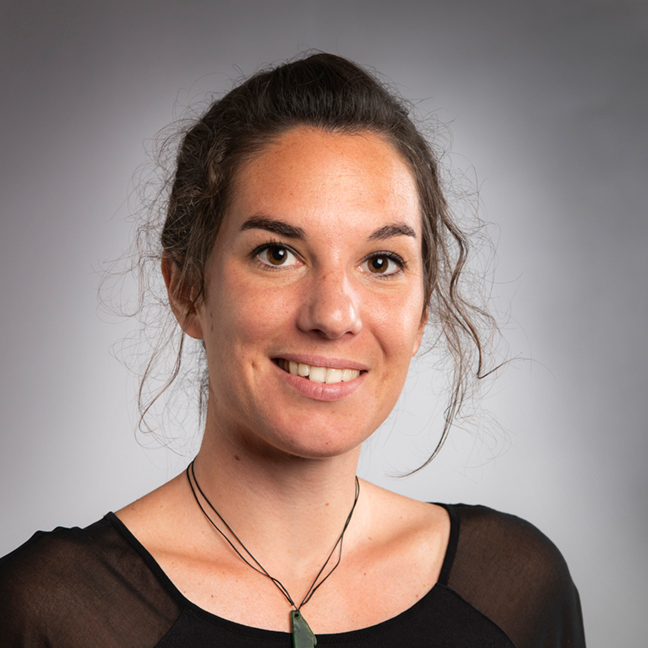
Dr Mirjam Schindler
Visiting Global Research Associate (GCHU)
Senior Lecturer in Human Geography, Te Herenga Waka - Victoria University of Wellington, New Zealand.
BSc, MA, PhD
Dr Schindler is an urban geographer exploring how cities can be transformed into healthier, more liveable places for both humans and more-than-humans. Her research sits at the intersection of urban health, liveability, care, green space, and mobility, and approaches health not as a fixed outcome but as something relational—co-shaped through people’s everyday interactions with place. I’m a Senior Lecturer in Human Geography at Te Herenga Waka - Victoria University of Wellington in Aotearoa New Zealand. With a background spanning human geography, urban planning, spatial modelling, urban economics, and GIS, Dr Schindler uses both quantitative and qualitative geographical methods to examine the complex links between urban form, transport, environment, and health. Her recent projects have focused on urban green spaces, children’s connections to nature, neighbourhood liveability, and parent-centred urbanism.
During her time at GCHU, Dr Schindler will be exploring the lived experiences of residents of Healthy New Towns with respect to urban nature through everyday walking practices - a common, yet often overlooked, mode of engagement with place. Using walking interviews, the project will focus on local everyday urban nature, such as street trees, planters, and spontaneous vegetation, and investigate how these elements shape - or fail to shape - residents’ health and sense of connection to place. Walking interviews provide an in-depth way to understand the varied relationships people have with both place and the more-than-human. By attending to these small-scale interactions, the project aims to generate insights into how everyday urban nature can support more caring, connected, and healthy urban futures. This work is situated within ongoing debates about relational health, mobility, and urban planning, and seeks to inform the design of healthier urban environments.
Dr Danúbia Hillesheim

Visiting Global Research Associate (GCHU)
Postdoctoral researcher in Medical Sciences at the Federal University of Santa Catarina (UFSC), Brazil
BA, MSc, PhD
Dr. Danúbia Hillesheim is an audiologist and postdoctoral researcher in Medical Sciences at the Federal University of Santa Catarina (UFSC), Brazil. She also serves as a consultant at the Santa Catarina State Department of Health. She is certified as a specialist in Public Health by the Federal Council of Speech-Language Pathology and Audiology (2023). Dr. Hillesheim is part of the EpiFloripa Ageing Cohort Study, a long-term investigation that has followed the living and health conditions of older adults in Florianópolis for more than 15 years. Her research focuses on aging, hearing health, active mobility, and the urban environment.
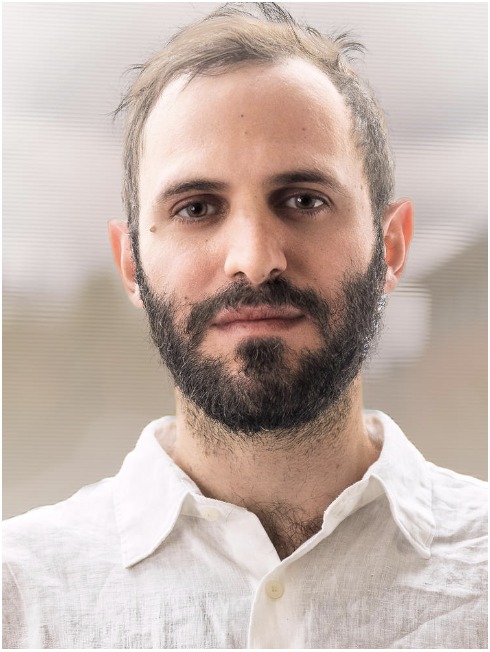
Dr Fábio Zuker
Visiting Global Research Associate (GCHU)
Postdoctoral researcher, University of São Paulo and Associate Researcher at the Pensi Institute (José Luiz Setúbal Foundation)
BSc, MSc, PhD
Dr Zuker is an environmental social scientist trained in anthropology, researching how deforestation, industrial agriculture, and extractive infrastructures reshape landscapes, bodies, and forms of life in the Brazilian Amazon. His work focuses on the political ecologies of environmental destruction, with particular attention to the environmental determinants of health.
Dr Zuker is a researcher affiliated with the Pensi Institute (José Luiz Setúbal Foundation) and the University of São Paulo, and an associated researcher with Princeton University’s Fluid Futures initiative. He holds a PhD from the University of São Paulo, was a visiting researcher at Cornell University, and completed postdoctoral fellowships at Princeton University and the Collège de France.
Grounded in long-term ethnographic fieldwork and informed by anthropology, science and technology studies (STS), and public health, his research develops along three interconnected lines: the incentives behind deforestation (financial, political, and ideological); environment and health (toxic exposure, disease emergence, and climate interactions); and Indigenous ecologies (knowledge systems and political strategies for territorial protection).
Dr. Zuker is currently revising his PhD dissertation into an academic book manuscript under contract with the University of California Press. At GCHU, he will develop the project on “Infrastructural Urbanisation and Health at the Amazonian Frontier”, which examines how hydraulic infrastructures such as dams, irrigation canals, and dykes built to sustain agribusiness, are transforming Bananal Island’s ecology and producing new forms of urbanisation and health vulnerability among Indigenous populations.
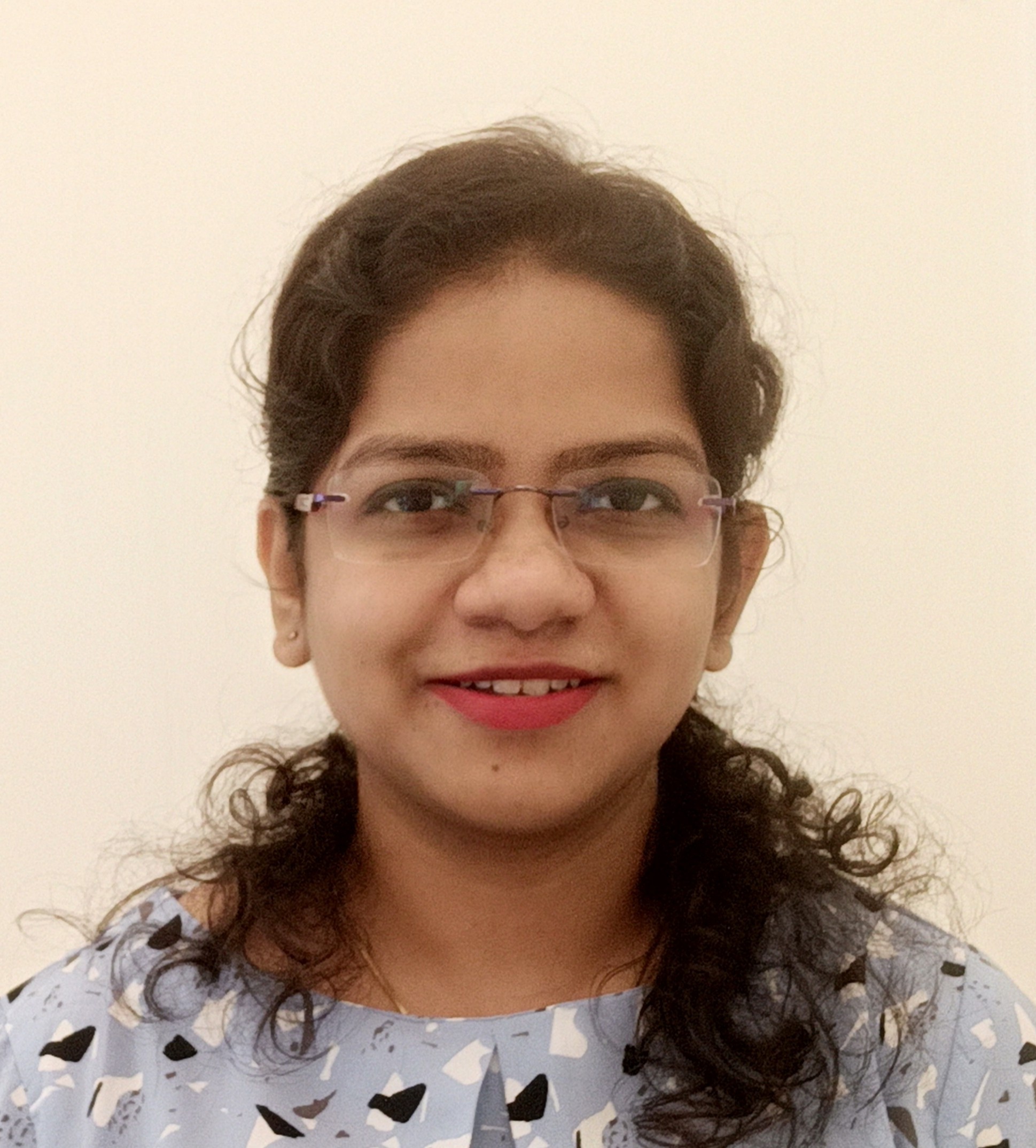
Dr Shreya Banerjee
Visiting Global Research Associate (GCHU)
Assistant Professor, Department of Architecture and Regional Planning, Indian Institute of Technology Kharagpur.
B.Arch, MCP, PhD
Dr. Shreya Banerjee is an Assistant Professor in the Department of Architecture and Urban Planning in the Indian Institute of Technology Kharagpur, India. Earlier, she was an Assistant Professor of Sustainable Urban Planning at the Indian Institute of Technology, Jodhpur. With a background in architecture, urban planning and applied climatology, she works at the intersection of heat resilience, public health, active mobility, and informal settlements. Shreya was previously a post-doctoral research fellow in the Cooling Singapore 2.0 project led by Singapore Management University and Singapore ETH Centre, where she developed urban design strategies for heat-responsive housing and explored nature-based solutions for urban cooling in Singapore. Shreya was awarded a Building Energy Efficiency Higher and Advanced Network (BHAVAN) fellowship from the Indo-US Science and Technology Forum in 2019 for a research visit at Arizona State University. Shreya holds a PhD in Urban Climatology and a Master's in City Planning from the Indian Institute of Technology Kharagpur, India.
In her present research projects, she is exploring a gender-responsive walkability framework for extreme weather resilience in South Asian tourism cities in Jodhpur, India and Kathmandu, Nepal. In a recently concluded project, she investigated how the perception of heat impacts the mode choice of elderly public transit riders using a mixed method approach involving collecting socio-economic and perception data through questionnaire surveys, health vitals of respondents using wearable devices and corresponding hyperlocal climatic data through portable weather stations. In another research, Shreya analysed the role of historic water bodies and blue infrastructure in providing ambient comfort in a desert climate using microscale climate simulations. Her research has been funded by prominent agencies so far such as Coalition for Disaster Resilient Infrastructure (CDRI), Arts and Humanities Research Council (UKRI AHRC), and Volvo Research and Educational Foundations (VREF).
During her time at GCHU, Dr. Banerjee will explore the interdisciplinary nexus of heat justice, mental health, and the usage of public spaces with an emphasis on active mobility and gender. She is particularly keen to dig deeper into developing novel methods using a combination of sensor data, visual communication, and participatory design techniques.
Visiting Fellows
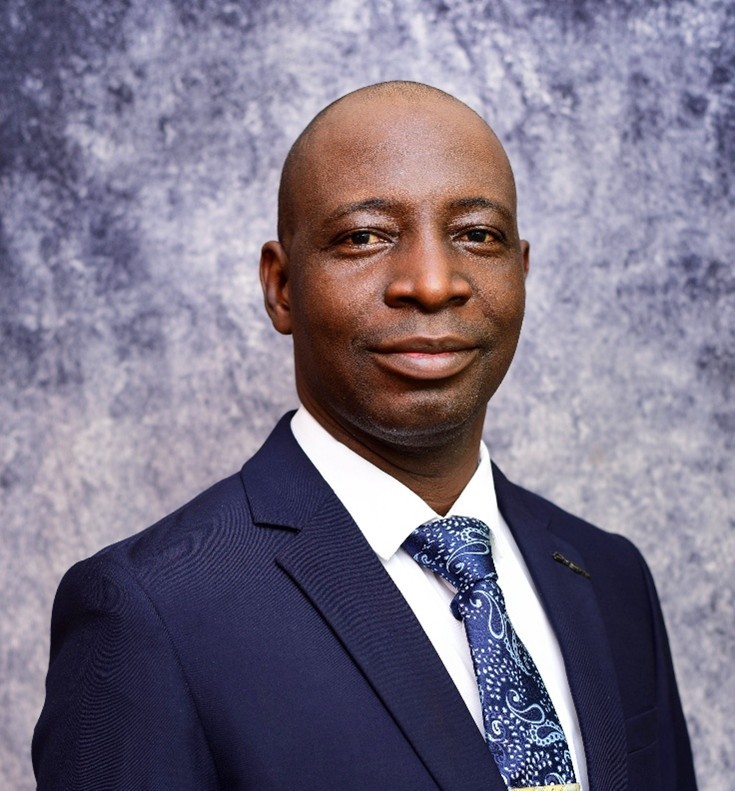
Professor Oluwole Daramola
AfOx Visiting Fellow (GCHU)
Professor of Urban and Regional Planning at Obafemi Awolowo University, Ile-Ife, Nigeria
Bsc, Msc, PhD
Professor Oluwole Philip Daramola is a Professor of Urban and Regional Planning at Obafemi Awolowo University, Ile-Ife, Nigeria, where he currently serves as Head of Department. He has nearly two decades of academic and professional experience, with research interests spanning urban studies, environmental planning and management, infrastructure planning, climate resilience, and community participation. His work focuses on advancing sustainable urban development in the Global South through policy-relevant, empirically grounded research.
Professor Daramola holds a PhD in Urban and Regional Planning from Obafemi Awolowo University and has received international academic training, including a certificate in Futuring for Sustainability from the University of Utrecht. He is a Fellow of the Nigerian Institute of Town Planners and a Registered Town Planner, with additional professional recognition in environmental management and education
He has an extensive publication record comprising over 70 peer-reviewed journal articles, in addition to authored and edited books, book chapters, and conference proceedings. His scholarship addresses critical urban challenges such as water supply and sanitation, environmental health, urban governance, disaster resilience, and infrastructure deficits in Nigerian cities. His research has informed policy and practice through collaborations with institutions such as the World Bank, UN-Habitat, and various government agencies in Nigeria.
Professor Daramola has supervised a substantial number of postgraduate theses, including 19 MSc and 10 PhD theses, covering diverse themes in urban and environmental planning. In addition, he has supervised many undergraduate dissertations over the years, contributing significantly to capacity building and academic development in the planning profession.
He has held several international research appointments, including his current role as an Africa Oxford (AfOx) Visiting Fellow at the University of Oxford’s Global Centre on Healthcare and Urbanisation, where he is working on strengthening water supply, sanitation, and hygiene systems for epidemic and pandemic preparedness in Lagos. His broader academic engagement reflects a strong commitment to mentoring, interdisciplinary collaboration, and the promotion of resilient and sustainable urban systems in Africa.
Rajne Reynolds
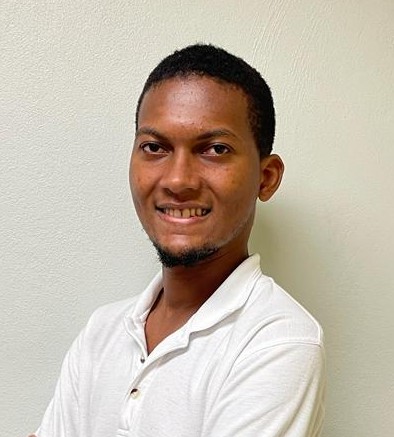
PhD Visiting Fellow: King’s Commonwealth Fellowship Programme (Kellogg College)
Palaeoclimate Researcher and Teaching Assistant at the University of the West Indies, Mona Campus.
BSc (Hons.), PhD Candidate
Rajne Reynolds is a palaeoclimate researcher, Teaching Assistant at the University of the West Indies (UWI), Mona Campus, and PhD Fellow at Kellogg College, University of Oxford under the King’s Commonwealth Fellowship Programme. His research builds upon his undergraduate degree in Geography with a minor in Geology (Hons.) and includes collaborations with leading regional and international organizations, including the Climate Studies Group, UWI Mona (since 2016), Cambridge University, and the University of North Carolina-Wilmington (UNCW).
Mr. Reynolds specializes in Quaternary Environments through palaeoclimatological research, analysing biostratigraphic and sedimentological proxies. He has six years of teaching and adjunct lecturing experience at UWI Mona, supporting nine courses: four Level I courses and five at Levels II and III, including Environmental Change, Natural Hazards and Society, Climate Change in the Tropics, Karst and Coastal Geomorphology, and guest lectures in Research Design and Management. He has also lectured in Research Methods at Jamaica Theological Seminary. His academic roles include designing lectures, workshops, practical exercises, and assessment tools for both online and in-person delivery.
Beyond palaeoclimatology, Mr. Reynolds has contributed to hazard early warning systems and climate change advocacy. In 2021, he supported Cambridge University teams in preparing Jamaica’s Country Profile for COP26 (Futures We Want), which helped Jamaica become a signatory to the Action on Deforestation Pledge, committing to end deforestation by 2030. He is trained in Disaster Risk Financing and Parametric Insurance through the Caribbean Catastrophe Risk Insurance Facility (2020) and has attended hazard mapping and AI predictive tool training facilitated by the American Meteorological Society SatMOC (June–July 2024).
His research has been presented internationally, including collaboration with the University of Bergen at the One Ocean Expedition Knowledge Exchange Forum (November 2021). Regionally, he supported the Climate Studies Group UWI Mona’s Drought Risk Yield (D.R.Y.) Alert System for the Caribbean (July–September 2023), sponsored by CCRIF. Mr. Reynolds aims to advance knowledge in predicting climate extremes by extending available records through his research.