
Rui Castellino, BA (Hons) Geography student, University of Oxford
As the global population has shifted from mostly rural to increasingly urban, unprecedented levels of urbanisation require us to reflect on our actions as ‘stewards’ of the environment. How do we provide for our increasingly urbanised populations while also protecting the natural environment and ensuring our lifestyles are sustainable for all life on Earth? A review of recent research on sustainability and environmental management in villages and small towns may provide valuable insight for moving towards a more sustainable mediation between our growing urban world and the natural environments we rely on.

Figure 1: © “Stowey-Sutton: Chew Valley Lake” © Lewis Clarke, licensed under CC BY-SA 2.0, via Geograph Britain and Ireland.
Environmental governance
As a group, we are responsible for protecting the integrity of the natural environment, as a ‘commons’ that is shared and cannot be treated as patchwork slices of private capital. Building policy on the common values of all stakeholders in rural areas is key sustainable management of rural resources, and this insight can be transferred beyond just the natural environment: management of public spaces, infrastructure, or social life, for example, can all be treated as common resources with many stakeholders.
Development of rural areas, whether urbanising or industrial, can lead to significant environmental degradation if not dutifully managed; this, however, depends on cooperation between many actors. Evidence in China suggests that, rather than punitive schemes, spreading environmental awareness and negotiating with farmers is more effective in promoting environmentally sustainable practices. Shifting the focus from land-grabbing developments towards context-specific approaches and integration of novel technologies with traditional lifestyles has proved much more beneficial. This could be translated to urban contexts, rethinking urbanism as a new and improved lifestyle taking on the best facets of traditional life.
Figure 2: PxHere, CC0 Public Domain; https://pxhere.com/en/photo/1250624
Low-carbon living
Movements such as the Cittaslow towns movement have had great success transforming towns across Europe into more liveable and sustainable places. Traffic-calming measures in town centres, along with encouraging cycling and public transport use, not only enable low-carbon transport systems, but also improves the lived experience of town life – ‘strategic piggybacking’ conveniently addresses multiple issues.
In an unpredictable global market, green energy production can grant small settlements independence from reliance on global supply chains and fossil fuels, improving community resilience. Pushing for a locally-sourced culture of sustainability fosters a unique community identity that brings residents together while benefiting the environment simultaneously. Small towns can become valuable ‘green laboratories’ using traditional and rural knowledges to implement circular economy (zero-waste) practices, integrating them into modern sustainability frameworks. Small settlements thereby provide a unique perspective on the intersection of sustainability and community.
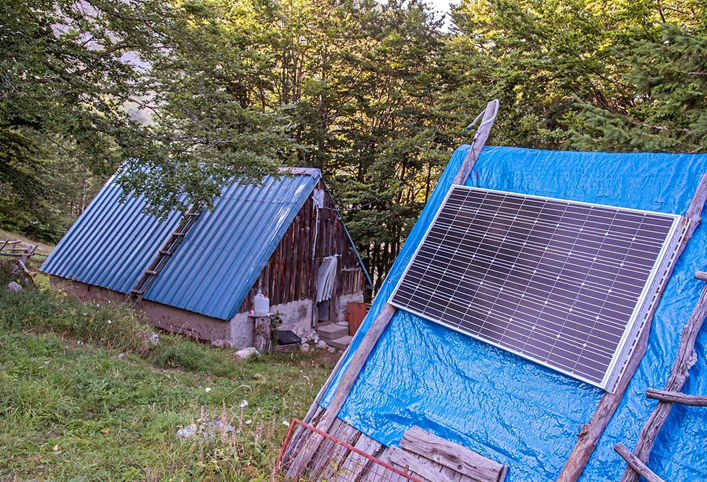
Figure 3: “Rural solar panels, Montenegro” by UNDP Climate, licensed under CC BY-NC 2.0, via Flickr.
Sustainable tourism
Rapid tourism growth in rural areas presents new opportunities and challenges for sustainable tourism and resource management. Consolidating the primary industry economy (agriculture) and promoting the tourism sector has been key to rural revitalisation, creating economically and environmentally sustainable settlements in potentially declining regions. Furthermore, joint development between villages reinforces the local economy; rather than dividing the rural and the urban, cooperation beyond boundaries could provide mutual benefits across settlements.
Rapid development in the contemporary era can degrade traditional values and natural landscapes, homogenising rural regions through generalised practices; alternatively, maintaining the unique cultural and geographic landscapes can provide much more rich tourist experiences. Cultural heritage, such as historical buildings, can be repurposed and restored for sustainable, circular economy practices minimising waste and strengthening cultural value. The unique cultures in small settlements should be preserved and highlighted, rather than homogenised in the course of development.
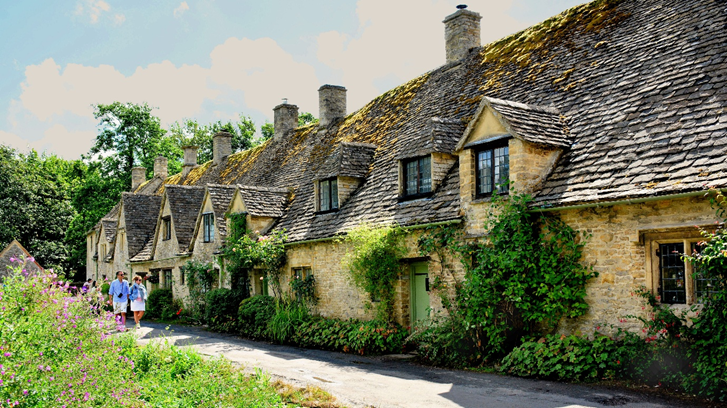
Figure 4: “Arlington Row, Bibury, England” by Mike McBey, licensed under CC BY 2.0, via Flickr
Conclusion
Small towns and villages provide unique insight into dynamics of environmental sustainability in socio-economic contexts, highlighting unique cultural contexts and nuance in the mediation between different stakeholders, values, and priorities. Learning from these small settlements, we can apply new ways of thinking in our approach to urbanisation in larger settlements, bringing the urban back into the local and the unique cultures across space.