
Ronan Wilkinson, University of York and GCHU research intern
Data Centres (DCs) have become a pressing topic as an increase in AI development has necessitated more hyper-scale centres, sometimes appearing near urban areas, and often causing disruptive noise and health issues in residents. DCs pose a challenge to the idea of promoting healthy cities, which the World Health Organisation highlights as a core process for more sustainable global and local development. When such infrastructure is planned near a residential community, the trade-off is often not beneficial for everyone.
DCs strain power and water availability and their emissions can harm locals, but their impact is not uniform. Location impacts DC emissions- those in the UK emit 50% less carbon than the global median but use 50% more water due to more than 46 TWh being generated by hydro and bioenergy in 2020. Strategically placed DCs could cut their emissions through increased use of renewable energy, like Google’s zero-carbon DC in Hamina, Finland, or Green Mountain DC in Stavvanger, Norway. However, internet speeds suffer in these remote locations. So, despite the opportunity to decrease emissions, many DCs are deliberately built near inhabited urban areas.
In the calculated overall damage from US DCs, 18% was from Virginia, despite contributing only 3% of national GDP from DCs- conversely, DCs in California contributed 37% of national GDP from DCs and just 2% of damages. Regardless, more DCs are built in Virginia and Texas because of cheaper electricity. Here, DCs are incentivised financially to build in less sustainable areas. The energy strains on the US power grid mean that wholesale prices near major DC hubs rose 267% in the last 5 years, but these costs aren’t passed on to DCs. Similar to lowered taxes, utilities sometimes artificially lower the cost of electricity for these large consumers, like DukeEnergy discounting a single DC $325 million over a decade, raising the rates of other customers to cover the losses, further hurting local economies.
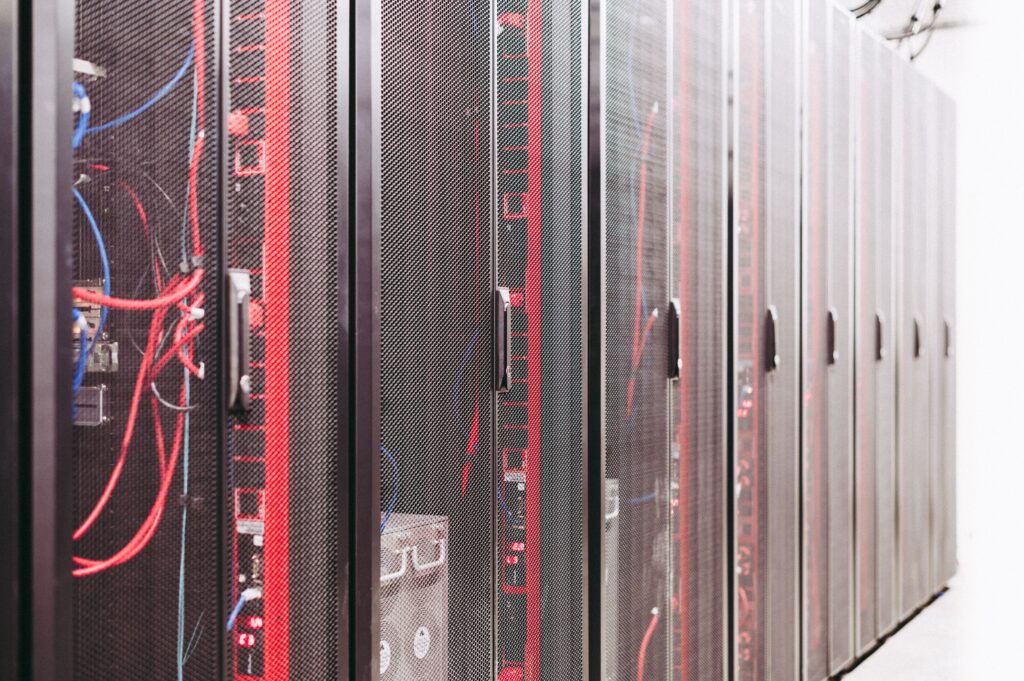
Source: pexels-photo-5480781.jpeg (6048×4024)
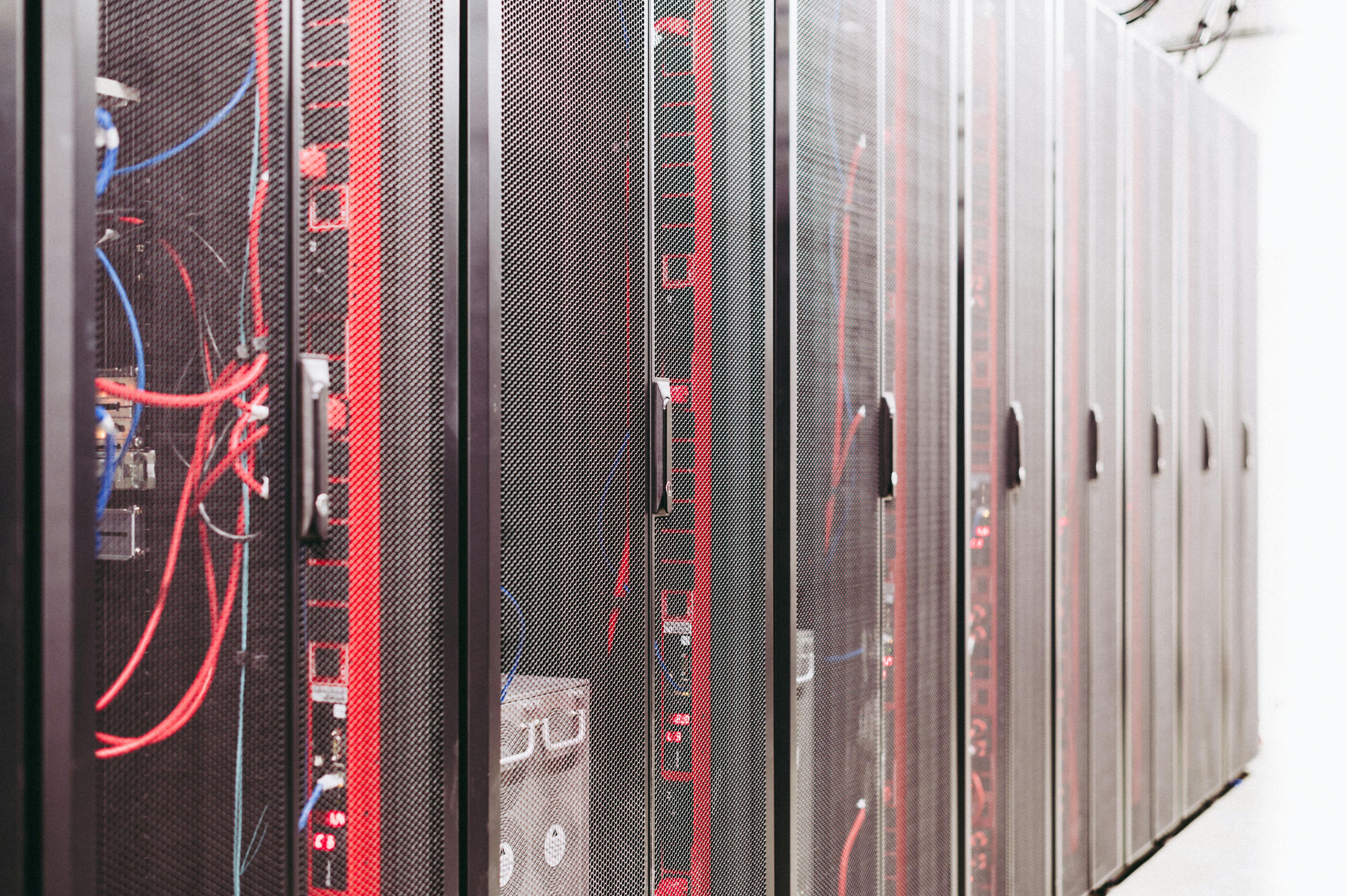
Power is a DCs biggest need. It is estimated that training a single LLM like GPT-3 could consume the rough equivalent of the energy usage of a small town. In the mid-Atlantic region in the US, demand from DC’s led to an 800% jump in energy prices at its 2024 annual capacity auction, with reports that they also degrade the available power, as over 75% of highly distorted power readings were within 50 miles of significant DC activity. Though DC operators claim to be strong promoters of renewable energy use investment. In the Netherlands, people criticised that enough green energy to power 370,000 households was instead purchased by Microsoft’s hyperscale DC, especially as the share of renewable electricity in the Netherlands was already one of the lowest in Europe.
The introduction of DCs to communities means the availability of power for residents is diminished, leading to higher bills. The electricity required has a cumulative effect on DC water use, referred to as their indirect water usage, from power plants responding to the increased demand. Using water to cool DCs is cost-efficient, requiring less electricity than an air-conditioning system, but is contentious due to communities having less water. While innovation can conserve resources, there is a computational rebound effect where models become increasingly complicated and resource demanding, leading to a rise in total waste, not a reduction. While in 2021 a single ChatGPT request consumed about 500mls of water, it has since been revised to four times that for GPT-4, with greater power density and cooling demands as models get more sophisticated. Another concern around DCs is that they underestimate the resources they will need, misleading local governments about their impact- in 2021, Microsoft’s giant DC in northern Holland estimated initially they needed 12-20 million litres, but ended up needing 4 times that in a year with severe water shortages.
When we talk about DCs in communities, greater transparency is needed so people know what they are inviting into their areas. A mid-sized DC (15 Mw) consumes between 80 million and 130 million gallons of water a year for cooling, which amounts to the same water consumption as three average size hospitals or 100 acres of almond orchards.
As climate change continues to threaten water supplies globally, it calls into question how many DCs we can allow to be built around communities that need unhindered access to potable water, or how much communities should allow for the sake of AI development.
DC pollution manifests as both noise and air: the noise generated from DC servers often exceeds the limit set by the US environmental protection agency of 55 dBA, which can cause hearing loss, heart disease, chronic and acute effects like hypertension, or decreased sleep quality. Children exposed can also suffer from poor cognition. 30% of DC air pollution is concentrated in the central US, due to their reliance on coal and natural gas, despite only being 10% of energy demand and 9% of water consumption.
DCs are resource-intensive investments for the communities around them. They do give an economic bump during the construction phase, but after completion, hyperscale DCs employ less than 250 people. The economic bump is less compared to the increase in utility prices, decrease in property values and health detriments.
Carbon-zero DCs are one way to mitigate the impact. Another is to declutter the cloud, requiring less DCs to store dark or redundant data.
With AI development, DCs will undoubtedly become more prevalent as the models require increasing resources. We are seeing the evidence of our impact on the planet, something we were previously able to ignore. The cost of technology is no longer relegated to lithium mines in the Democratic Republic of Congo, but is forcing people to confront the environmental footprint of the internet now that it is impacting communities with more agency to act on it.
Increased regulations can limit the harm they do, but subsidised energy prices and insufficient repercussions for pollution rewards DC operators for their negligence. This will not abate unless regulations catch up to the breakneck pace of technology.